Stadium Rankings
Atmosphere as a measurable quantity, and where measurement stops
Crowd noise can be quantified with instruments, and the numbers those instruments produce describe something narrower than what supporters mean by atmosphere.
What instruments actually capture
A sound level meter records pressure variation at a point, which depends heavily on where the device sits relative to the crowd and the structure. Two readings from different positions in the same building can differ substantially, so any comparison requires the measurement protocol to be identical. Peak readings are particularly unreliable, because a single loud event near the instrument can dominate a figure presented as describing the whole venue.
Sustained levels across a period are more informative and less dramatic, which is why they are quoted far less often than peaks. Without a stated protocol, a comparison between venues is a comparison between measurement setups rather than between buildings.
How geometry shapes perception
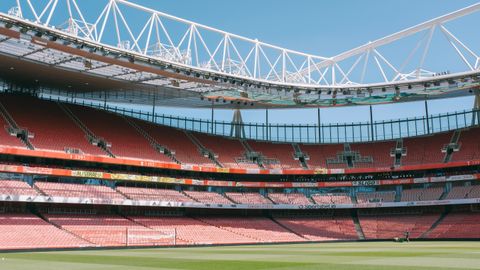
A steep enclosed bowl reflects sound back towards the field and keeps it inside the structure rather than allowing it to escape upwards. A shallow open stand allows the same crowd producing the same sound to feel considerably quieter to anyone on the playing surface. Roof coverage matters enormously, since a roof provides a reflecting surface and a continuous one turns a stadium into a far more efficient resonator.
Proximity of the front row to the field affects perception independently of level, because closer sound arrives with less delay and greater clarity. These are all design decisions, which means a venue reputation for intensity is partly an architectural outcome rather than a property of its supporters.
The occasion effect
The same building produces radically different atmospheres depending on the importance of the event, the opposition and the state of the contest. That variation is usually larger than the difference between venues, which means any ranking based on a small number of occasions is measuring the occasions. Comparing venues fairly would require sampling many events of comparable significance, which is rarely done and expensive when it is.
Reputations therefore form around memorable nights rather than around typical ones, which is a selection effect operating on the evidence base. A venue known for atmosphere may simply be one that has hosted more matches worth being loud at.
Composition and coordination
Sustained noise depends on how many attendees are inclined to participate rather than observe, which relates to ticketing policy and seating arrangement. Concentrating committed supporters in a contiguous block produces coordinated sound, because participants can hear each other and synchronise. Distributing the same people across the building produces the same number of voices and considerably less coordinated output.
Standing areas, where permitted, change both density and posture in ways that affect participation independently of anybody intention. These are operational choices, and they influence measured atmosphere as much as the design of the structure does.
What the number cannot tell you
Supporters describing an atmosphere are referring to timing, tension and collective response rather than to average pressure over ninety minutes. A quiet building that becomes suddenly and completely unified at a decisive moment is remembered as intense despite a modest sustained reading. No instrument captures that structure, because the meaning of the sound depends on what was happening when it occurred.
A ranking of measured loudness is therefore a genuine ranking of a real property that is not quite the property being discussed. Saying so plainly is more useful than either abandoning measurement or pretending it settles the question.
- Sound level is measurable but weakly related to atmosphere
- Bowl geometry and materials shape perceived intensity
- Occasion effects dominate any venue effect