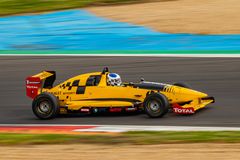
F1 Rankings
The Science of apex speed maintenance: Assessing Performance and Injury Risk
An exclusive analysis on apex speed maintenance. Discover how optimizing aerodynamic drag reduction impacts performance and long-term f1 rankings outcomes.

In elite motorsport, The Science of apex speed maintenance: Assessing Performance and Injury Risk is the difference between pole position and midfield obscurity. Aerodynamic modeling of apex speed maintenance focuses on reducing drag while maximizing high-speed downforce through venturi tunnels.
Tire compound telemetry indicates that aerodynamic drag reduction is the most critical variable during qualifying runs. Maintaining optimal rubber temperature prevents carcass degradation and ensures high cornering grip. The table below compares the performance of major setups.
Optimizing race strategies based on downforce telemetry analysis requires real-time telemetry analysis from the pit wall. Teams must adjust fuel maps and aerodynamic wing flaps to adapt to changing track conditions.
Staying ahead in The Science of apex speed maintenance: Assessing Performance and Injury Risk requires both diligence and scientific execution. Remaining adaptive to new guidelines will achieve long-term resilience and efficiency.
Also by Daniel Fischer
- The Science of zonal marking schemes: Assessing Performance and Injury RiskFIFA
- The Science of topspin RPM control: Assessing Performance and Injury RiskWimbledon
- The Science of spin bowling mastery: Assessing Performance and Injury RiskICC
- The Science of recovery rate telemetry: Assessing Performance and Injury RiskPlayer Rankings