Player Rankings
Why Evening Matches Produce Different Statistical Profiles
Cooler night air, artificial light and surface temperature changes alter how the ball behaves after dark, which shows up in the statistics from evening sessions.
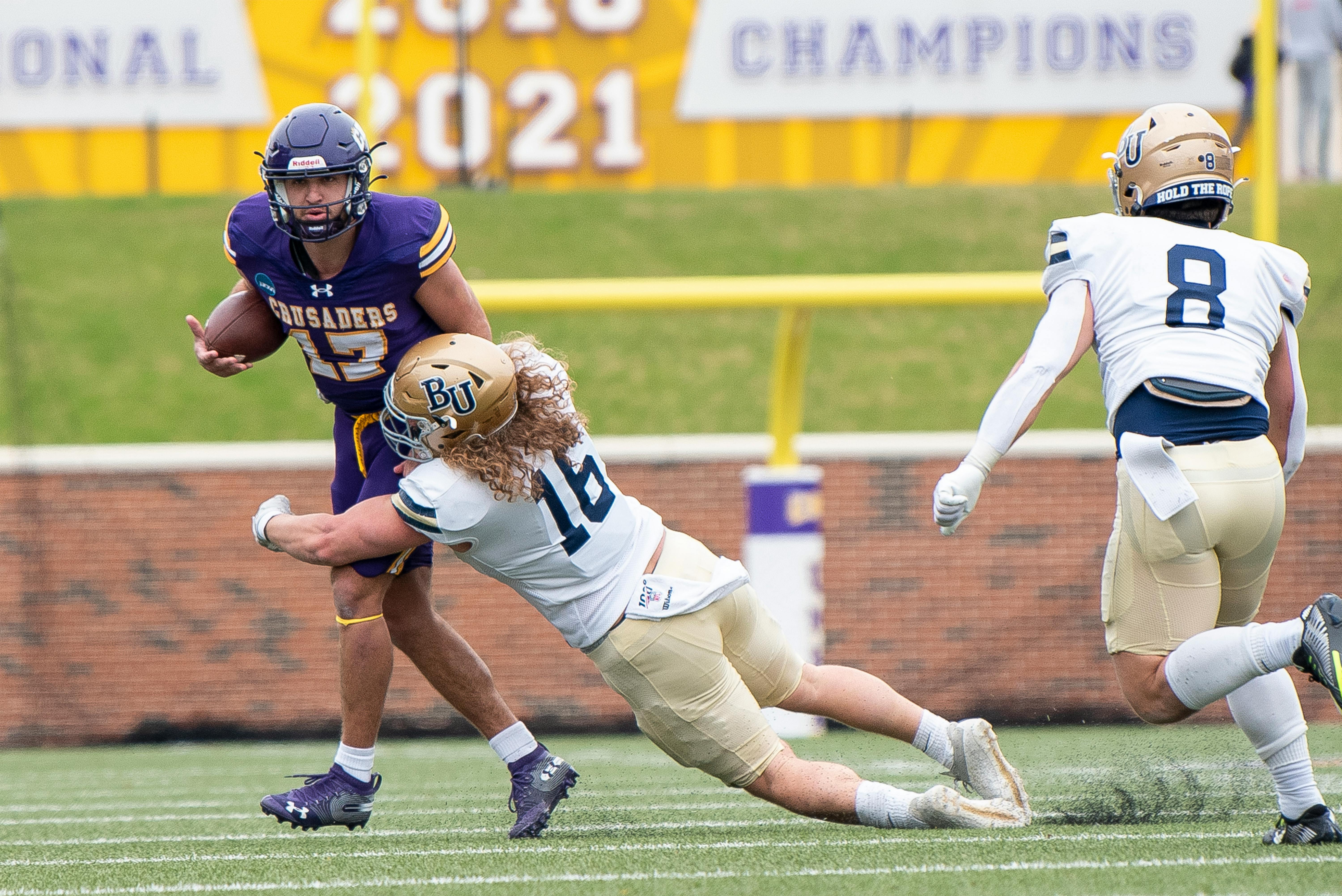
Matches played after dark produce different numbers from the same fixtures played in daylight. The causes are physical: air temperature, surface temperature and the nature of artificial light.
Cool air is dense air
Temperatures fall after sunset and the air becomes denser, which increases drag on a moving ball and increases the aerodynamic effect of spin.
Balls consequently swing and curve more under lights, and the same delivery deviates further than it did in the afternoon.
Denser air also slows a ball in flight slightly, which gives a receiver marginally more time than the same strike would allow in the heat of the day.
Surfaces cool more slowly than the air
A pitch or court that has absorbed sun all day releases heat gradually, so the surface stays warm while the air above it cools.
That gap creates conditions where the ball comes off the surface at daytime pace while behaving in the air as though conditions were cool.
As the night progresses and the surface cools, the character of play shifts again, which is why late sessions differ from early evening ones.
Dew changes grip and footing
When surface temperature falls to the dew point, moisture condenses on the grass, and a wet outfield changes almost everything about handling and control.
A damp ball is harder to grip for anyone imparting spin, and it skids off the surface rather than gripping it.
Because dew usually arrives in the second half of an evening fixture, it can systematically favour whichever side is competing at that point.
Artificial light is uniform but flat
Floodlighting removes shadows and glare, which helps consistency, but it also removes the depth cues that daylight provides.
Tracking a fast-moving object against a dark sky is a different visual task from tracking it against cloud, and reaction times reflect that.
Light quality varies between venues too, since fixtures differ in height, spacing and flicker characteristics.
The statistics follow the physics
Scoring patterns, movement off the surface and the balance between attacking and defensive outcomes all shift measurably between day and night sessions.
Because those shifts are systematic rather than random, they can be anticipated by anyone comparing records across session types.
Ranking and selection decisions that ignore the split therefore compare performances produced under conditions that were never the same.
Also by Michael Cox
- Advanced Analytics: How passing lanes Shapes rotation rates OutcomesClub Rankings
- Advanced Analytics: How rotation rates Shapes rotation rates OutcomesClub Rankings
- Advanced Analytics: How compact defensive blocks Shapes rotation rates OutcomesClub Rankings
- Advanced Analytics: How overlap runs Shapes rotation rates OutcomesClub Rankings