Stadium Rankings
How Roof Design Decides Where Grass Will Grow
A stadium roof determines the pattern of shade across a pitch through the year, and that pattern predicts which areas of grass will fail before construction begins.
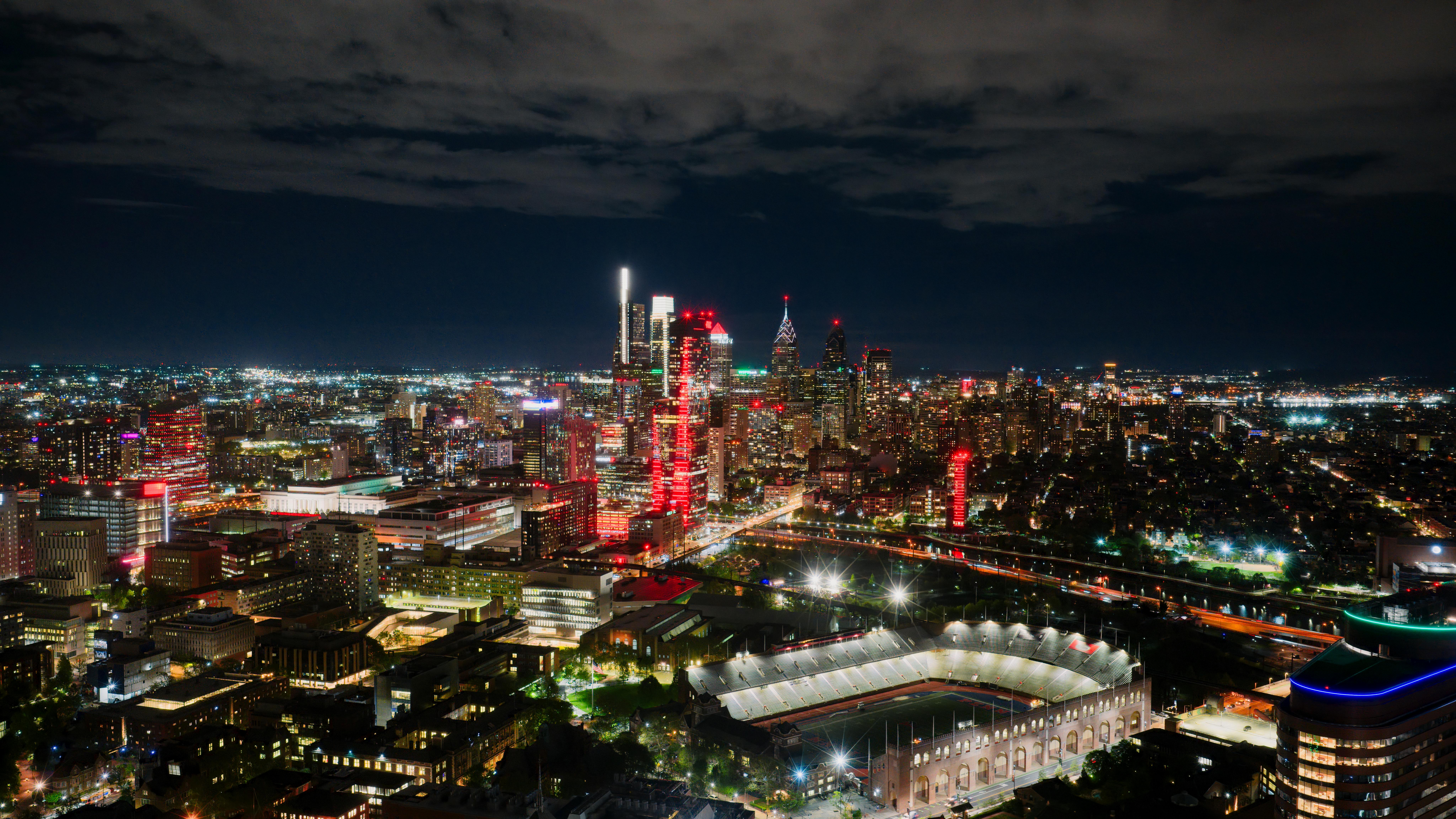
The parts of a pitch that fail are usually predictable from the building above them. Roof geometry sets where sunlight lands through the year, and grass grows only where light reaches it.
Shadow patterns are calculable in advance
The sun's path across a site is known precisely for every day of the year, so the shadow a proposed roof will cast can be modelled before anything is built.
Those models show how many hours of direct light each part of the pitch receives in midwinter, when the sun is lowest and the deficit is worst.
Areas falling below the light a grass plant needs are identified at design stage, which is why modern stadium projects include agronomic analysis alongside structural work.
The south side suffers in one hemisphere
In northern latitudes the stand opposite the low winter sun casts the longest shadow, and the strip of pitch beneath it receives least light.
The pattern reverses in the southern hemisphere, but the principle is identical, and in both cases one touchline is systematically disadvantaged.
Groundstaff concentrate lighting rigs on that strip, and it is often the section relaid most frequently.
Openings are sized for the pitch
Translucent roof panels admit light while still sheltering spectators, and their placement is chosen to fall where shading is worst.
Gaps at stand corners serve a dual purpose, letting light in and allowing air to move across the surface so leaf dries after rain or dew.
Where a design cannot provide either, the venue commits itself to permanent artificial support for the grass.
Retractable roofs create a scheduling question
A roof that can open allows light and rain in between events, so the pitch is managed by choosing when to open it.
Opening decisions therefore involve agronomy as much as weather, and the roof position between fixtures is part of the maintenance plan.
Closed-roof venues without that option rely wholly on grow lights, ventilation and irrigation to replace what the building excludes.
Some venues move the pitch instead
Where the roof cannot be opened enough, the alternative is to move the growing surface outside the building on rails or trays.
That approach guarantees full sunlight but requires an enormous mechanism and a clear area beside the stadium to park the field.
Its existence is the clearest illustration of how expensive it is to grow grass inside a modern enclosed stadium.
Also by Michael Cox
- Advanced Analytics: How passing lanes Shapes rotation rates OutcomesClub Rankings
- Advanced Analytics: How rotation rates Shapes rotation rates OutcomesClub Rankings
- Advanced Analytics: How compact defensive blocks Shapes rotation rates OutcomesClub Rankings
- Advanced Analytics: How overlap runs Shapes rotation rates OutcomesClub Rankings