NBA Rankings
How Arenas Convert Between Sports Overnight
A single building may host ice, basketball and a concert within days, and the conversion is a rehearsed sequence built around insulating and protecting each surface.
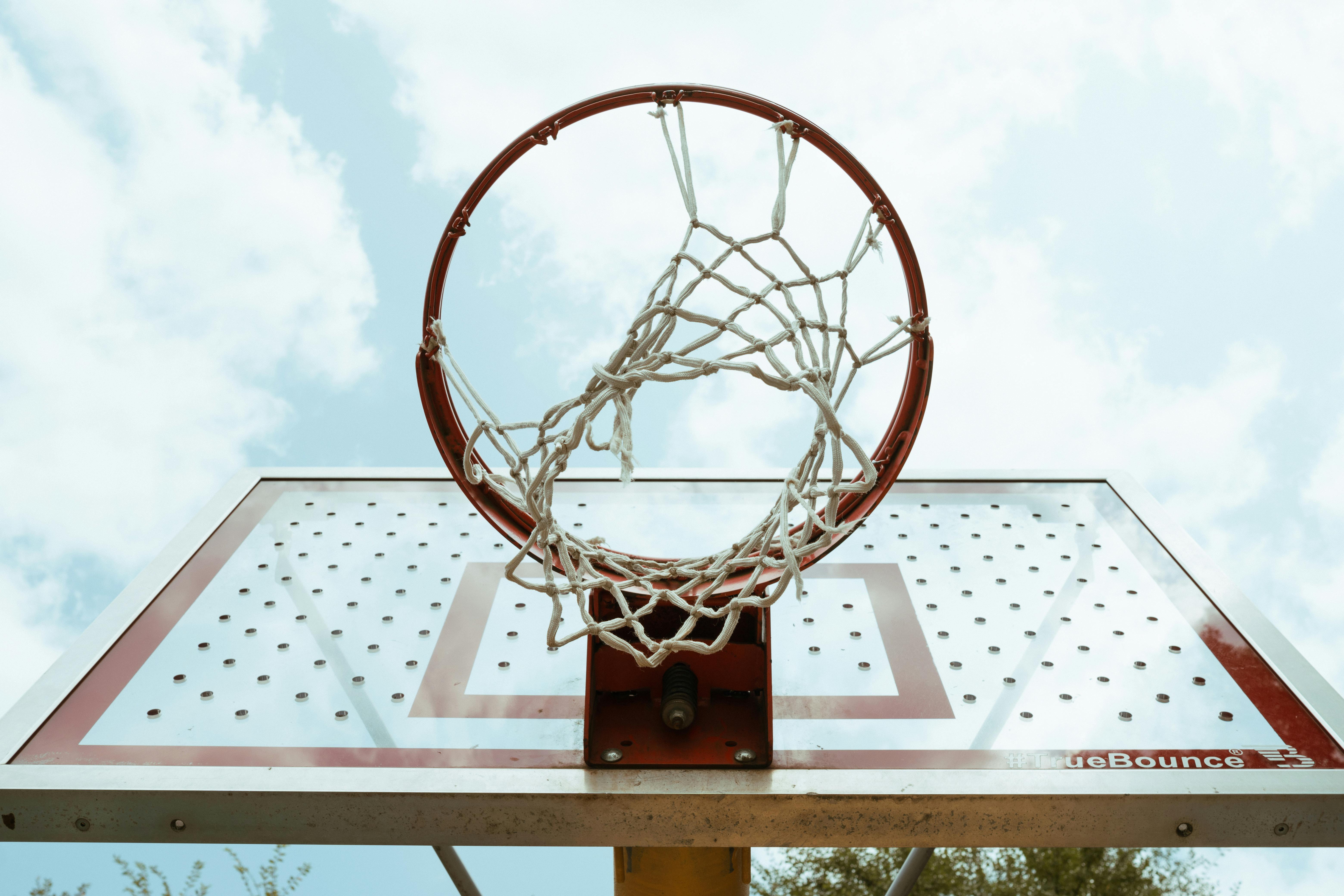
An arena can stage hockey one evening and basketball the next. The conversion between them is a rehearsed operation, planned around the fact that one surface must be preserved while another sits on top of it.
The ice stays where it is
Removing and remaking an ice sheet takes far longer than a turnaround allows, so the ice remains in place beneath whatever follows.
It is covered with insulating panels that carry load while limiting heat transfer from the room above into the sheet.
The refrigeration system continues running underneath, which is why the floor above stays cold and prone to condensation.
The basketball floor is a kit
The court arrives on carts as numbered panels and is assembled in a fixed order, keyed so that each piece can only go in one place.
Crews work from the centre outward so that accumulated tolerance is pushed to the edges rather than into the playing area.
Once down, the surface is levelled, the standards are set and the floor is cleaned before any play or practice takes place.
Seating moves as well as the floor
Different sports need different sightlines and different playing areas, so retractable and rolling seating sections are repositioned.
Those movements change the volume of the bowl, which in turn changes how air circulates and how the room sounds.
Seat repositioning is usually the longest single element of a conversion, and the sequence is planned around it.
Lighting and rigging are reconfigured
Each sport has its own illumination and uniformity requirements, and fixtures are aimed at the playing area in use.
Overhead rigging for scoreboards and cameras is repositioned to suit the geometry of the new configuration.
For a concert the same rigging carries far greater loads, which is why structural capacity is designed for the heaviest use rather than the most frequent.
The schedule is the binding constraint
Conversions are costed in crew hours, and a building that can turn round faster can sell more dates in a year.
That commercial pressure is why arenas invest in systems that make conversion quicker rather than merely possible.
It also explains why some venues decline particular bookings, since an event that damages a surface consumes the recovery time that the next booking requires.
Crews rehearse the sequence until it runs to a fixed timetable, and the order in which elements move is chosen so that no team ever waits for another to clear the floor ahead of it.
Also by Michael Cox
- Advanced Analytics: How passing lanes Shapes rotation rates OutcomesClub Rankings
- Advanced Analytics: How rotation rates Shapes rotation rates OutcomesClub Rankings
- Advanced Analytics: How compact defensive blocks Shapes rotation rates OutcomesClub Rankings
- Advanced Analytics: How overlap runs Shapes rotation rates OutcomesClub Rankings